
Gum disease, also known as periodontal disease, is one of the most widespread oral health problems worldwide. It often begins quietly, with mild symptoms that are easy to ignore, but it can progress into a serious condition that threatens both your teeth and your overall health. Understanding what causes gum disease is the first step toward preventing it and maintaining a healthy smile.
Plaque Buildup and Poor Oral Hygiene
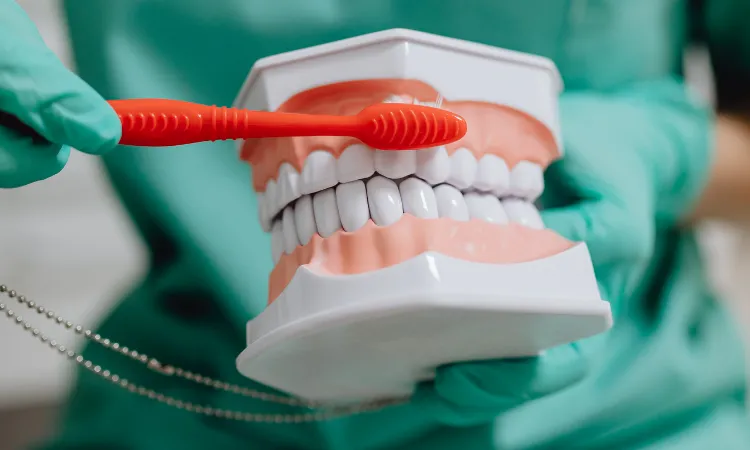
The most common cause of gum disease is plaque buildup. Plaque is a sticky film of bacteria that constantly forms on the teeth and along the gumline. When teeth are not brushed and flossed thoroughly, plaque hardens into tartar, which cannot be removed by regular brushing alone. The bacteria in plaque and tartar irritate the gums, leading to inflammation, redness, and bleeding. Over time, this irritation can cause the gums to pull away from the teeth, creating pockets where even more bacteria can thrive.
Smoking and Tobacco Use
Smoking and other forms of tobacco use are major risk factors for gum disease. Tobacco weakens the immune system, making it harder for the body to fight off gum infections. It also reduces blood flow to the gums, which slows healing and masks early warning signs such as bleeding or swelling. As a result, gum disease in smokers often goes unnoticed until it reaches an advanced stage.
Hormonal Changes
Hormonal fluctuations can make gums more sensitive and vulnerable to infection. This is particularly common during pregnancy, puberty, menstruation, and menopause. Increased hormone levels can boost blood flow to the gums, causing them to react more strongly to plaque and bacteria. While hormonal changes do not directly cause gum disease, they can significantly increase the risk when combined with poor oral hygiene.
Medical Conditions and Medications
Certain medical conditions can contribute to the development of gum disease. Diabetes, for example, affects the body’s ability to control blood sugar, which can increase the risk of infections, including those in the gums. Conditions that weaken the immune system also make it harder for the body to fight off bacteria in the mouth. In addition, some medications reduce saliva flow, leading to dry mouth. Saliva plays a crucial role in washing away food particles and neutralizing acids, so reduced saliva can encourage bacterial growth.
Genetics and Family History
Some people are genetically more prone to gum disease than others. Even with good oral hygiene habits, individuals with a family history of periodontal disease may be at higher risk. Genetic factors can influence how the immune system responds to bacteria in the mouth, making inflammation more likely. Knowing your family history can help you and your dentist take preventive steps early.
Stress and Lifestyle Factors
Chronic stress can indirectly contribute to gum disease by weakening the immune system and making it harder for the body to fight infections. Stress may also lead to unhealthy habits such as skipping dental care routines, smoking, or eating a poor diet. A diet lacking essential nutrients, particularly vitamin C, can impair gum health and slow tissue repair.
Teeth Grinding and Misaligned Teeth
Grinding or clenching teeth puts excessive pressure on the supporting tissues of the teeth, which can accelerate the breakdown of gum tissue. Similarly, crooked or crowded teeth are harder to clean properly, allowing plaque to accumulate in hard-to-reach areas. Over time, this buildup increases the likelihood of gum inflammation and infection.
Treatment for Gum Disease in Tulsa, OK
At Henrich Dental, we understand the importance of strong and healthy gums. If you experience red, swollen, or bleeding gums, gum disease could be the culprit. The sooner you act, the higher your chances are to reverse the disease and prevent damage. Contact our office today to schedule a consultation and learn more about how to maintain a healthy smile.