
Your Gums Are Trying to Tell You Something
Have you noticed a little pink in the sink after brushing? Do your gums ever feel tender or look a bit red? Maybe you’ve noticed that your breath isn’t as fresh as it used to be, no matter how much you brush.
These small signs are easy to ignore. Life is busy. A little bleeding doesn’t seem like a big deal.
Gum disease (dentists call it periodontal disease) is one of the most common health problems in the world. It starts quietly, with mild symptoms you might barely notice. But left untreated, it can progress into a serious condition that threatens not just your teeth, but your overall health.
Gum disease is both preventable and treatable when you catch it early.
At Henrich Dental in Tulsa, Dr. Frank Henrich and his team help patients every day protect their gums and preserve their smiles. Let’s explore what causes gum disease and what you can do to stop it in its tracks.
What Is Gum Disease, Really?
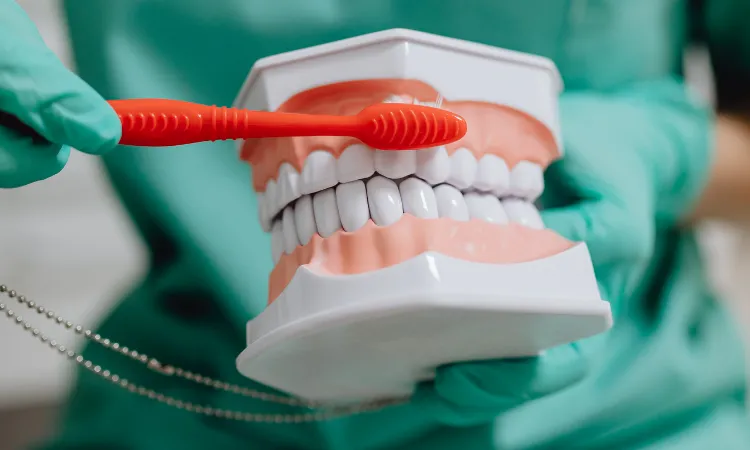
Gum disease is an infection of the tissues that hold your teeth in place. It’s usually caused by poor brushing and flossing habits that allow plaque to build up on your teeth and harden.
There are two main stages:
- Gingivitis: This is the early stage. Your gums become red, swollen, and may bleed easily. The good news? At this stage, the damage is reversible with professional treatment and good home care.
- Periodontitis: This is the advanced stage. The gums pull away from the teeth, forming pockets that become infected. The body’s immune response and bacterial toxins start breaking down the bone and tissue that hold teeth in place. If not treated, teeth can loosen and even fall out.
The sooner you act, the better.
The Most Common Causes of Gum Disease
1. Plaque Buildup and Poor Oral Hygiene
This is the number one cause, and the good news is it’s completely within your control.
Plaque is a sticky film of bacteria that constantly forms on your teeth. When you don’t brush and floss thoroughly, plaque hardens into tartar (also called calculus). Unlike plaque, tartar cannot be removed by brushing alone because it requires professional cleaning.
The bacteria in plaque and tartar irritate your gums, causing inflammation. Over time, this irritation causes your gums to pull away from your teeth, creating pockets where even more bacteria can thrive.
What you can do:
- Brush twice daily for two full minutes
- Floss once a day (yes, every day!)
- Visit your dentist every six months for cleanings
- Use an antibacterial mouthwash if recommended
2. Smoking and Tobacco Use
If you smoke or use other tobacco products, this is the single most important risk factor for gum disease.
Tobacco weakens your immune system, making it harder for your body to fight off gum infections. It also reduces blood flow to your gums, which masks early warning signs like bleeding. Many smokers don’t realize they have gum disease until it’s already advanced.
Smokers are twice as likely to develop gum disease as non-smokers. And treatments don’t work as well for people who smoke.
What you can do: If you smoke, quitting is the best thing you can do for your gums—and your overall health. Dr. Henrich and his team can offer support and resources.
3. Hormonal Changes
Hormonal fluctuations can make gums more sensitive and vulnerable to infection. This is especially common during:
- Puberty: Increased blood flow to the gums can cause redness and swelling
- Pregnancy: “Pregnancy gingivitis” affects many expectant mothers
- Menstruation: Some women notice gum changes right before their period
- Menopause: Hormonal changes can cause dry mouth and increased sensitivity
What you can do: If you’re going through a hormonal change, pay extra attention to your gums. Brush gently but thoroughly, and keep up with regular dental visits.
4. Medical Conditions and Medications
Certain health conditions can increase your risk of gum disease:
- Diabetes: This is a big one. Diabetes affects your body’s ability to control blood sugar, which increases your risk of infections. And here’s the tricky part: gum disease can also make it harder to control blood sugar. It’s a two-way street.
- Autoimmune conditions: Diseases that weaken your immune system make it harder to fight off bacteria in your mouth.
- Dry mouth: Many medications (including those for allergies, high blood pressure, and depression) can reduce saliva flow. Saliva is your mouth’s natural cleanser. Without enough of it, bacteria thrive.
What you can do: Always tell Dr. Henrich about any medical conditions and medications you’re taking. This helps him tailor your care to your unique situation.
5. Genetics and Family History
Some people are more prone to gum disease than others, even with good oral hygiene.
Genetic factors can influence how your immune system responds to bacteria in your mouth. If your parents or siblings have had gum disease, you may be at higher risk.
What you can do: Knowing your family history helps. If gum disease runs in your family, let Dr. Henrich know. You may need more frequent cleanings or extra preventive care.
6. Stress and Lifestyle Factors
Chronic stress takes a toll on your whole body, including your gums. Stress weakens your immune system, making it harder to fight off infections.
Stress can also lead to unhealthy habits like:
- Skipping brushing or flossing
- Smoking or drinking more
- Eating a poor diet
- Grinding or clenching your teeth
Find healthy ways to manage stress, like exercise, meditation, hobbies, and time with loved ones. And try not to let your oral care routine slide when life gets busy.
7. Poor Nutrition
What you eat matters for your gums, not just your teeth. A diet low in important nutrients can make it harder for your body to fight infection. Vitamin C is especially important because it helps repair tissue and keeps your gums healthy. Without enough, your gums become more vulnerable to infection.
Sugary foods and drinks also feed the bacteria that cause gum disease.
What you can do: Eat a balanced diet rich in fruits, vegetables, lean proteins, and whole grains. Limit sugary snacks and drinks. Your gums will thank you.
8. Teeth Grinding and Misaligned Teeth
Grinding or clenching your teeth (especially at night) puts extra pressure on the tissues that support your teeth. Over time, this can speed up gum breakdown.
Crooked or crowded teeth create hard-to-reach spots where plaque builds up. No matter how carefully you brush, some areas may stay dirty.
If you grind your teeth, ask Dr. Henrich about a custom nightguard. If misalignment is an issue, orthodontic treatment might help you clean more effectively.
The Connection Between Gum Disease and Overall Health
Here’s something that might surprise you: gum disease doesn’t just affect your mouth. Research has linked periodontal disease to serious health conditions throughout the body, including:
- Heart disease: Inflammation in your gums may increase inflammation in your blood vessels
- Diabetes: Gum disease can make blood sugar harder to control
- Stroke: Oral bacteria may contribute to artery blockages
- Respiratory infections: Bacteria from your mouth can be inhaled into your lungs
- Pregnancy complications: Gum disease has been linked to preterm birth and low birth weight
Taking care of your gums isn’t just about saving your teeth. It’s about protecting your whole body.
Why Choose Henrich Dental for Gum Disease Treatment?
It helps to know who you’d be trusting with your gum health. Dr. Frank Henrich brings a comprehensive approach to every patient:
- Advanced training: Hundreds of hours of continuing education in restorative and periodontal care
- Patient-centered “HD Care”: No double-booking means you’re seen on time and given individual attention
- Metal-free dentistry: Only uses metal-free fillings and crowns
- Full-service care: From prevention to advanced treatment, all in one place
- Community trusted: Active supporter of local schools and events in Jenks and beyond
Your Gums Deserve Attention
Gum disease is common, but it’s not something you have to live with. With the right care, it’s both preventable and treatable.
At Henrich Dental, Dr. Frank Henrich and his team take a personalized approach to every patient. Their “HD Care” philosophy means you’re never rushed, never just a number. You’re a person with unique needs, and they take the time to understand them.
Whether you need a routine cleaning, treatment for early gum disease, or advanced periodontal care, you’re in good hands.
Ready to Check Your Gum Health?
If you’ve noticed any signs of gum disease, or if it’s been a while since your last checkup, now is the time to act.
Call our new patient line at (918) 262-4731 or request an appointment online.
We proudly serve patients from Tulsa, Bixby, Jenks, Broken Arrow, Owasso, Sapulpa, Sand Springs, Glenpool, Catoosa, Coweta, and throughout Green Country.
Your healthy smile starts with healthy gums. Let’s protect them together.