
You tuck them in. You kiss them goodnight. And then you hear it from down the hall: a soft, steady snore. It sounds almost cute. Maybe even peaceful. After all, lots of kids snore from time to time, right? Yes, they do. But frequent, loud snoring in children is not normal. And sometimes, it is a sign of something more serious.
At Henrich Dental in Tulsa, Dr. Frank Henrich helps families understand the connection between snoring, breathing, and sleep apnea, even in young children.
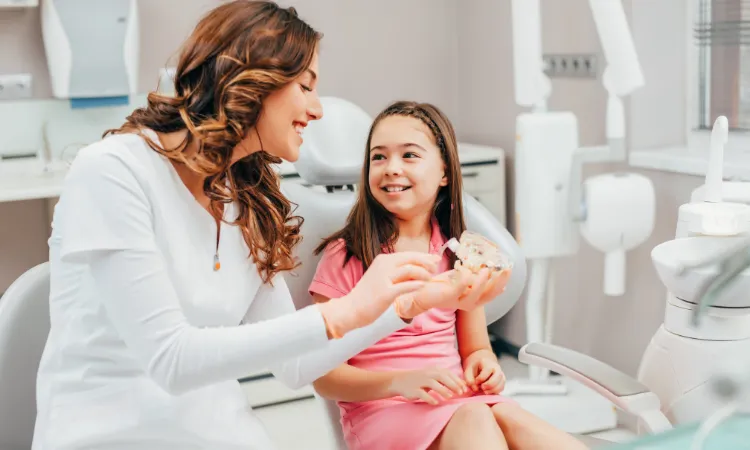
The Difference Between Occasional Snoring and a Problem
Almost every child snores once in a while. A cold stuffs up their nose. Allergies flare up in the spring. They sleep in an odd position. That kind of snoring comes and goes. It is usually harmless.
But when a child snores loudly three or more nights a week, week after week? That’s different. And it’s worth paying attention to.
What Is Pediatric Sleep Apnea?
Sleep apnea is a condition where breathing repeatedly stops and starts during sleep. In children, the most common type is obstructive sleep apnea (OSA). Something physically blocks the airway, often enlarged tonsils, adenoids, or anatomical features like a small jaw or high palate.
When the airway closes, the child stops breathing for a few seconds. Their brain briefly wakes them up to restart breathing. This can happen dozens or even hundreds of times per night. The child rarely remembers waking up. But their body feels the effects.
Signs Your Child May Have Sleep Apnea
Snoring is the most obvious clue, but it’s not the only one. Watch for these other signs:
- Pauses in breathing followed by gasping or snorting sounds
- Restless sleep with lots of tossing and turning
- Sleeping in strange positions (often with the neck extended)
- Night sweats from the effort of trying to breathe
- Bedwetting even after being dry during the day
- Morning headaches or dry mouth upon waking
Daytime signs matter too. Children with sleep apnea are often tired. But unlike adults who seem sluggish, kids frequently become hyperactive. They may:
- Struggle to focus in school
- Act irritable or moody
- Be diagnosed with ADHD when the real issue is poor sleep
- Breathe through their mouth during the day
Why It Matters More Than You Think
Untreated sleep apnea in children is not just about being tired. Over time, it can affect their growth, learning, behavior, and even heart health. Poor sleep interferes with memory, attention, and emotional regulation.
There’s also a connection between sleep apnea and the way a child’s face and jaw develop. Chronic mouth breathing can lead to a narrow palate, crowded teeth, and changes in facial structure.
The good news? Sleep apnea is treatable. And a dentist like Dr. Henrich can help.
How Henrich Dental Can Help
Dr. Henrich specializes in sleep apnea treatment using oral appliance therapy. For many children, a custom-fitted oral appliance can help keep the airway open during sleep by repositioning the jaw or tongue.
Before recommending treatment, Dr. Henrich will take a close look at your child’s airway, jaw, and overall oral health. He also works with your pediatrician or a sleep specialist to confirm the diagnosis.
What You Can Do Tonight
If your child snores loudly and regularly, don’t assume they will grow out of it. Start by keeping a simple sleep log. Note how often they snore, whether they seem restless, and how they act during the day.
Then call Henrich Dental. A conversation with Dr. Henrich could be the first step toward better sleep, better behavior, and a healthier future for your child. You deserve restful nights. So does your child. Call (918) 262-4731 today to schedule a consultation.