
You’ve had your dentures for a while now. At first, they felt great. They stayed in place. You could eat your favorite foods. You smiled with confidence. But lately, something’s changed.
Maybe they click when you talk. Maybe they slip when you chew. Or maybe they’ve started rubbing your gums raw. You find yourself reaching for that denture adhesive more and more, hoping it’ll hold things together. If this sounds familiar, you’re not alone. And more importantly, you don’t have to suffer through the discomfort. And the fix doesn’t always mean getting a whole new set of dentures.
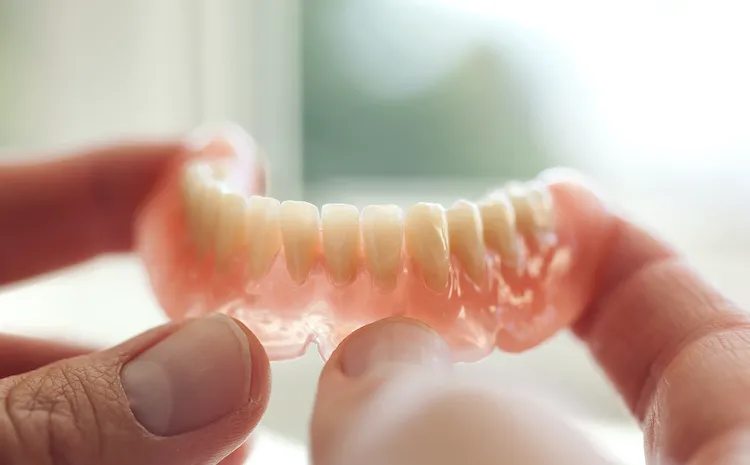
Why Dentures Get Loose Over Time
The number one reason dentures stop fitting well is also the simplest: your mouth changes shape. Think of your dentures like a pair of shoes. When you buy them, they fit perfectly. But over time, your feet might change. The same thing happens inside your mouth.
When teeth are missing, the bone that used to support them doesn’t get the stimulation it needs. It starts to resorb, or melt away. This happens slowly, over years. But it means the denture that fit snugly against your gums five years ago now has gaps.
Gums can also become thinner or less firm with age. Some medications even affect gum health. When the tissue under your denture changes, the fit changes too. And over time, your dentures wear down. The pontics can get flat. The acrylic base can become rough. Normal wear and tear takes a toll.
The Domino Effect of a Poor Fit
A loose denture isn’t just annoying. It can cause real problems.
- Sores and irritation: Your gums get rubbed raw in spots where the denture moves too much.
- Difficulty eating: You can’t chew as well, which might mean avoiding nutritious foods.
- Speech changes: Words don’t sound the same when your dentures click or slip.
- Loss of confidence: You might stop smiling or laughing freely.
- Bone loss accelerates: When dentures don’t fit well, they can actually speed up the bone loss they were meant to manage.
What Can You Do About It?
The worst thing you can do is ignore it. A poor-fitting denture causes more damage the longer you wear it. But you’ve got options.
- Denture reline: This is a common solution. Dr. Henrich takes an impression of your gums with the denture in place. The lab adds new material to the inside of your denture so it fits your current gum shape again. It’s like giving your dentures a fresh start.
- Denture rebase: This is a more extensive version of a reline. The entire pink base of the denture gets replaced while your existing teeth stay in place.
- Denture adjustment: Sometimes a simple adjustment, a little smoothing here, a little reshaping there, is all you need to stop that sore spot from rubbing.
- Dental implants: For the most secure fit, implant-supported dentures can actually lock your dentures in place. No slipping. No clicking. Just confidence.
How Henrich Dental Can Help
Dr. Henrich doesn’t just look at your dentures. He looks at your whole mouth, your health history, and your goals. Then he recommends what’s right for you.
The team at Henrich Dental will explain everything in plain language. You’ll understand what’s happening, why it’s happening, and what your options are. No surprises. No judgment. Just honest, caring advice.
Don’t Wait to Feel Better
You deserve dentures that fit. You deserve to eat without worry, talk without clicking, and smile without hesitation.
If your dentures aren’t working like they used to, don’t just reach for more adhesive. Call Henrich Dental instead. A simple consultation might be all it takes to get your confidence back.
Ready for a better fit? Call (918) 262-4731 to schedule your appointment.